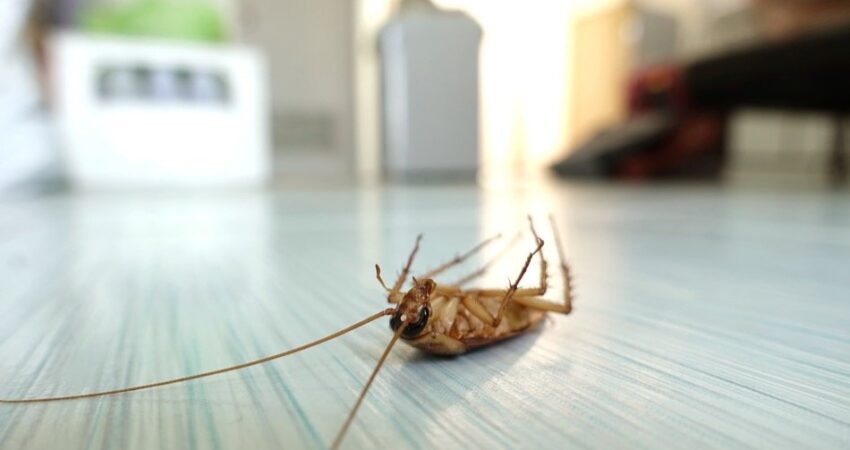
No one likes uninvited guests—especially when they come in the form of pests. From ants in the kitchen to spiders in the corners, dealing with bugs can feel like an endless battle. The good news is that you don’t need to rely on harmful chemicals to keep your home bug-free. There are simple and effective pest control hacks that can make your home a less appealing place for these creepy crawlies. In this article, we’ll share 10 proven tips that will help you keep pests at bay and create a healthier living environment for your family.
- Seal Cracks and Gaps
Bugs often enter homes through the tiniest cracks and gaps, whether around doors, windows, or in the foundation. Sealing these openings is one of the most effective ways to stop pests from invading. Use caulk to fill in cracks in the walls, especially around window frames, and weather stripping to seal gaps around doors. This not only prevents pests but also helps with insulation, saving you money on energy bills.
How to Do It:
Inspect your home’s exterior walls, paying attention to areas where utilities enter.
Use caulk to fill in small cracks and foam sealant for larger gaps.
Install door sweeps and use weather stripping on doors and windows.
- Keep Your Home Clean and Tidy
A clean home is less attractive to pests. Crumbs, food scraps, and dirty dishes are magnets for ants, cockroaches, and other insects. By maintaining a tidy living space, you’re taking a proactive step in preventing pest infestations. Regularly vacuuming, wiping down counters, and taking out the trash are essential habits that can drastically reduce pest problems.
Quick Cleaning Tips:
Wipe down kitchen surfaces after every meal.
Store food in airtight containers to avoid attracting pests.
Sweep and vacuum floors regularly, especially in dining areas.
- Use Essential Oils as Natural Repellents
Certain essential oils act as natural pest repellents and can be just as effective as chemical sprays. For instance, peppermint oil is great for repelling spiders, ants, and mice. Simply mix a few drops of essential oil with water in a spray bottle, and spray around windows, doors, and baseboards.
Top Essential Oils for Pest Control:
Peppermint oil – for spiders and ants
Lavender oil – for moths and flies
Eucalyptus oil – for mosquitoes and fleas
These oils not only repel pests but also leave your home smelling fresh!
- Keep Your Yard Maintained
Overgrown grass, dense bushes, and piles of wood or leaves can provide a perfect hiding spot for pests. Maintaining your yard is essential for keeping pests from migrating into your home. Regularly trim your grass, clear away debris, and make sure there’s no standing water, which can attract mosquitoes and other insects.
Yard Maintenance Tips:
Mow the lawn regularly and trim hedges.
Remove piles of leaves, branches, and firewood, which can harbor pests like termites and rodents.
Ensure that there is no stagnant water in plant pots, gutters, or birdbaths.
- Store Food Properly
Improperly stored food is an open invitation for pests, particularly rodents, cockroaches, and ants. Store dry foods in sealed containers and refrigerate perishable items to minimize pest problems. Be especially mindful of pet food, as it can attract ants and other insects when left out.
Storage Tips:
Use glass or thick plastic containers with airtight seals.
Store pet food in sealed bins and avoid leaving food out overnight.
Regularly check pantry items for signs of pests like weevils or ants.
- Fix Leaks and Control Moisture
Moist environments are a breeding ground for pests, especially cockroaches, termites, and mosquitoes. Fixing leaks and controlling moisture levels can significantly reduce the number of pests in your home. Check under sinks, around faucets, and in basements for any leaks, and repair them immediately.
Steps to Control Moisture:
Use dehumidifiers in damp areas such as basements.
Regularly check and fix leaky faucets and pipes.
Keep bathrooms well-ventilated to reduce humidity levels.
- Use Diatomaceous Earth
Diatomaceous earth (DE) is a natural substance made from crushed fossilized algae. It’s a highly effective, non-toxic way to get rid of pests like ants, cockroaches, fleas, and bed bugs. The tiny particles in DE are sharp at a microscopic level, and when pests come into contact with it, it damages their exoskeletons, causing them to dehydrate and die.
How to Use Diatomaceous Earth:
Sprinkle DE around the baseboards, under sinks, and in any areas where pests are active.
Use food-grade DE to ensure it’s safe for pets and humans.
Reapply after cleaning or if it gets wet, as moisture reduces its effectiveness.
- Set Up Traps for Specific Pests
Sometimes, traps are necessary to target specific pests that have already invaded your home. For example, sticky traps work well for ants and roaches, while snap traps are effective for mice. Identify the pest that’s causing problems, and choose a trap that’s designed to capture or eliminate them.
Common Types of Traps:
Sticky traps for ants, roaches, and spiders.
Snap traps for mice and rats.
Electronic traps for a chemical-free solution to larger pests.
- Keep Outdoor Lighting to a Minimum
While outdoor lighting can enhance the appearance of your home at night, it also attracts pests like moths and mosquitoes. Minimizing outdoor lighting or switching to yellow, bug-repellent bulbs can help reduce the number of pests swarming near your doors and windows.
Lighting Tips:
Use yellow bug lights or sodium vapor lights to repel insects.
Keep lights away from entry points to your home.
Opt for motion-activated lighting to minimize the time lights are on.
- Maintain Your Trash Properly
Trash is a major attractant for pests. Rodents, raccoons, and insects can be drawn to your trash bins if they’re not maintained properly. Keep your trash bins sealed and empty them regularly to prevent pests from making a meal out of your waste.
Trash Maintenance Tips:
Use bins with tight-fitting lids to prevent pests from accessing the garbage.
Keep trash bins away from the house to avoid attracting pests to your doors.
Clean bins regularly to remove odors that attract insects and rodents.
Conclusion
Keeping your home pest-free doesn’t have to be a complicated process. With these 10 proven pest control hacks, you can take control of your home and prevent unwanted guests from making it their own. By sealing cracks, keeping a tidy home, using natural repellents, and maintaining both your indoor and outdoor spaces, you can create an environment that pests find unwelcoming. Start implementing these tips today to enjoy a cleaner, healthier, and bug-free home!